
How to Become a Web Developer : If you’ve ever stared at a website and thought, “I wish I could build something like that,” you’re already halfway on your journey to learning How to Become a Web Developer. Whether you’re dreaming of a high-paying tech career, flexible work hours, or building apps from your bedroom in Pajamas, web development has a spot reserved just for you.
In this friendly, detailed, and slightly witty guide, you’ll discover everything you need — skills, tools, road map, job requirements, salary expectations, FAQs, and How to Become a Web Developer even with zero experience.
What Is Web Development? (Fast Definition for Featured Snippets)
Web development is the process of building, designing, and maintaining websites or web applications using coding languages, tools, and frameworks. Web developers create the functional and interactive parts of a website that users see (front-end) or that run behind the scenes (back-end). Understanding How to Become a Web Developer starts with learning these core building blocks.
- Front-End Development: What users see—design, layout, UI, animations.
- Back-End Development: Servers, databases, APIs, logic, authentication.
- Full-Stack Development: Doing both front-end and back-end.
Now let’s explore how you can go from beginner to web developer in the most efficient, beginner-friendly roadmap possible. This overview will help you see How to Become a Web Developer step-by-step.
| Heading | Subheading |
|---|---|
| Choosing a Domain | Selecting the Perfect Web Address |
| Selecting a Hosting Provider | Finding the Right Hosting Plan |
| Installing WordPress | A Step-by-Step Installation Guide |
| Choosing a Theme | Customizing Your Website’s Look and Feel |
| Setting Up Essential Plugins | Enhancing Functionality with Plugins |
| Creating Key Pages | Crafting Your Home, About, and Contact Pages |
| Configuring Permalinks | Optimizing Your URL Structure |
| Implementing Security Measures | Keeping Your Website Safe and Secure |
| Optimizing for SEO | Boosting Visibility on Search Engines |
| Adding Quality Content | The Art of Crafting Engaging Posts |
| Integrating Social Media | Connecting Your Website to Social Platforms |
| Setting Up E-commerce Features | Turning Your Site into an Online Store |
| Ensuring Mobile Responsiveness | Reaching Users on All Devices |
| Monitoring and Analytics | Utilizing Tools for Insightful Data |
| Troubleshooting Common Issues | Solutions for Potential Hurdles |
| Regular Backups | Protecting Your Data with Routine Backups |
Why Choose a Career as a Web Developer in 2026?
Before learning How to Become a Web Developer, it’s worth asking: Is this career still worth it in 2026?
Short answer — yes.
Long answer — absolutely, yes.
High Salary Potential
On average, web developers earn between $60,000 to $140,000 yearly, depending on experience, specialisation, and country. Even beginners can start earning quickly with small freelance jobs.Work From Anywhere
You can code from your home, co-working spaces, cafes, or even beaches (though sand in your laptop is not recommended).Massive Job Opportunities
Every business needs a website. Every startup needs a developer. Every app needs maintenance. The world isn’t running out of websites anytime soon.No Degree Required
Many successful developers are self-taught and started with nothing but a laptop and determination.Perfect for Beginners
Unlike many tech fields, web development has one of the easiest learning curves thanks to beginner-friendly tools, communities, and tons of free resources.
Understanding these benefits also helps you see How to Become a Web Developer with a clear vision and strong motivation.
The Complete Road map: How to Become a Web Developer (2026 Beginner Step-by-Step Guide)
Here is the cleanest, clearest, and most practical roadmap to transform from a beginner into a job-ready web developer — giving you a realistic path for How to Become a Web Developer no matter your starting point.
Step 1: Learn the Basics : HTML, CSS, JavaScript
These three languages are the holy trinity of web development. Without them, nothing else makes sense.
HTML – The structure of web pages.
CSS – The styling, colours, spacing, fonts.
JavaScript – The interactivity and logic.
If you’re wondering “Can a beginner learn web development fast?”, yes. You can learn the fundamentals of HTML and CSS in 2–4 weeks and JavaScript basics in another month. This foundational stage is essential for anyone studying How to Become a Web Developer effectively.
Step 2: Learn Responsive Design
People browse on phones, laptops, tablets, TVs, and even smart refrigerators (yes, seriously). So your websites must look good everywhere.
Key skills:
- Media queries
- Flex box
- CSS Grid
- Mobile-first design
Step 3: Learn a Front-End Framework (React Recommended)
React is the most in-demand framework in 2026. Learning React increases your job chances by at least 300%. (Okay fine, not literally 300%—but it’s huge.)
Popular frameworks:
- React (best choice for beginners)
- Vue.js (easy and lightweight)
- Angular (enterprise-level)
Step 4: Learn Version Control (Git & GitHub)
Git helps you track changes. GitHub helps you show your code to the world. Think of GitHub as your public resume for developers.
You’ll use:
- git init
- git add
- git commit
- git push
Step 5: Learn Back-End Development (Optional but Powerful)
To become a full-stack developer, you need back-end skills. These include:
- Node.js (JavaScript backend)
- Express.js
- MongoDB or MySQL
- APIs
- Authentication
If your goal is to earn more, back-end or full-stack development unlocks higher-paying roles.
Step 6: Build Real Projects (This Is What Gets You Hired)
Projects matter more than certificates. A hiring manager doesn’t care if you took five courses, they want proof you can build things.
Project ideas:
- Portfolio website
- Weather app
- To-do app
- API-based movie search app
- Blog with login system (full stack)
Once you build 5–10 solid projects, you’re already ahead of most beginners.
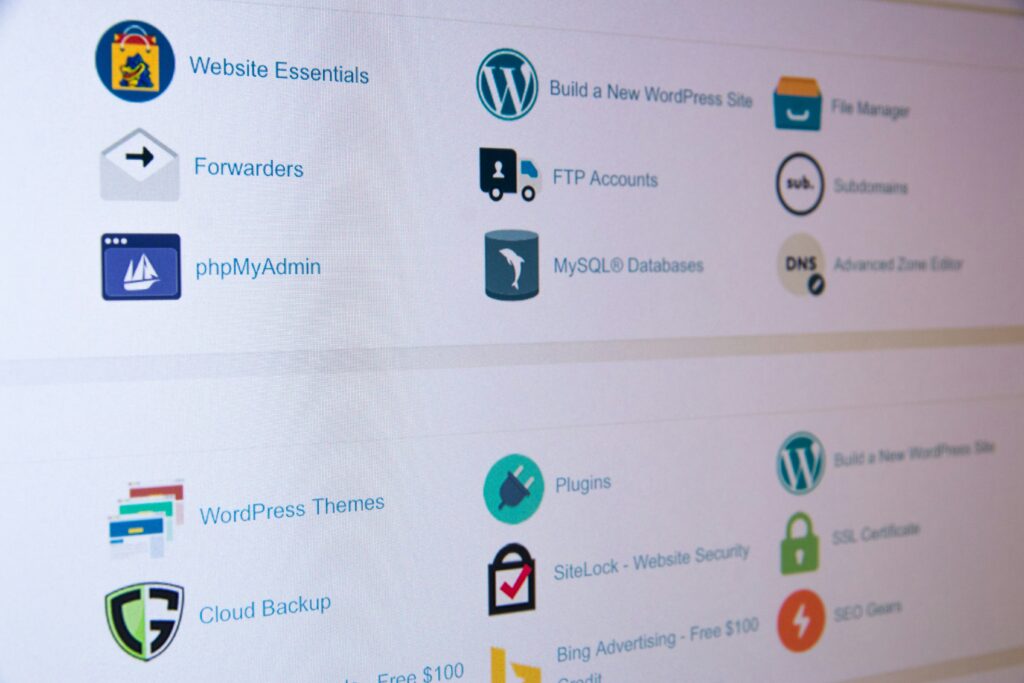
Step 7: Build a Strong Web Developer Portfolio
Your portfolio is your digital identity. It helps employers see your skills instantly.
Include:
- Bio + Skills
- Projects (screenshots + GitHub links)
- Contact section
- Resume
Step 8: Apply for Internships, Freelance Gigs, or Junior Roles
You don’t need “experience” to get experience. Start small.
- Internships
- Freelancing clients
- Up work gigs
- Small business websites
- Startup opportunities
If you’re thinking, “How do I get a job as a web developer with no experience?” , How to Become a Web Developer, the answer is simple: your portfolio IS your experience.
Step 9: Learn Essential Web Development Tools
A developer is only as good as the tools they use. Learning the right tools speeds up development, improves quality, and makes collaboration easy.
Must-Know Tools for 2026
- Code Editors: VS Code, Sublime Text
- Version Control: Git & GitHub
- Package Managers: npm, Yarn
- Browser DevTools: Chrome DevTools, Firefox DevTools
- Frameworks & Libraries: React, Node.js, Bootstrap, Tailwind CSS
- Design & Prototyping: Figma, Adobe XD
- Database Tools: MySQL Workbench, MongoDB Compass
Mastering these tools early will make your coding workflow smooth and professional.
Step 10: Optional Certifications to Boost Your Profile
Certifications are not required, but they make your resume stand out, How to Become a Web Developer especially if you’re self-taught.
Popular Web Development Certifications:
- Free Code Camp Certificate (Responsive Web Design, JavaScript Algorithms)
- W3 Schools Web Developer Certifications
- Coursers / edX Full Stack Web Development Certificates
- Microsoft Certified: Azure Developer Associate
- Google UX & Front-End Certifications
These certifications show employers that you are serious about your web development career
Step 11: Advanced Skills to How to Become a Web Developer
Once you master basics and frameworks, level up to these advanced skills:
- Advanced JavaScript: ES6+, async/await, promises, closures
- State Management: Redux, Context API
- TypeScript: Optional but in demand
- Web Performance: Optimization, lazy loading, caching
- Testing: Jest, Cypress, Unit testing
- API Integration: REST, GraphQL
- Authentication & Security: JWT, OAuth2
These skills separate junior developers from professionals and How to Become a Web Developer
Step 12: Understanding the Different Types of Web Developers
Not all developers do the same work. Knowing the types helps you plan your path:
- Front-End Developer: UI, layout, interactivity
- Back-End Developer: Server, database, APIs
- Full-Stack Developer: Both front-end & back-end
- Web 3.0 Developer: Blockchain and decentralised apps
- Shopify / WordPress Developer: E commerce-focused development
- Web Application Developer: More complex, dynamic apps
Choosing your niche early can help you stand out and earn more
Step 13: How to Become a Freelance Web Developer
Freelancing is a popular path if you want flexibility, higher earnings, or a digital nomad lifestyle.
Step-by-Step Freelance Road map:
- Create a strong portfolio showcasing your best projects
- Set up profiles on Up work, Fiverr, Toptal
- Start with small projects to build credibility
- Network in tech communities
- Scale to recurring clients or bigger projects
- Consider niche specialisation (React, Shopify, WordPress)
A disciplined freelancer can earn more than a full-time developer within 1–2 years.
Step 14: How to Get Hired as a Web Developer
Even with skills and projects, landing a job requires strategy. Here’s what recruiters look for:
- Portfolio with live projects
- Understanding of programming fundamentals
- Problem-solving skills
- GitHub contributions & open-source participation
- Soft skills: communication, teamwork, time management
Apply to junior roles, internships, or contract work first. Remember, entry-level jobs often lead to rapid growth in the first 1–2 years.
Step 15: Tips for Success as a Web Developer and How to Become a Web Developer
- Code daily — consistency beats intensity.
- Focus on building projects, not just tutorials.
- Join developer communities (Reddit, Discord, Stack Overflow).
- Contribute to open-source projects.
- Stay updated with trends (React updates, Web 3.0, new frameworks).
- Practice interview questions and algorithm challenges.
- Always deploy your projects online.
Follow these tips and you’ll be far ahead of most beginners.
Step 16: Salary Growth & Career Path
Web development is one of the few careers with clear and fast growth:
| Career Path | Salary Growth |
| Junior Developer | ₹3–5 LPA / $50–70K |
| Mid-Level Developer | ₹6–12 LPA / $70–100K |
| Senior Developer | ₹12–20+ LPA / $100–150K+ |
| Full-Stack Developer | Often higher than front-end or back-end alone |
| Freelance / Contract | Unlimited potential depending on clients |
Skill growth directly correlates with salary growth in this field.
Step 17: Advanced Development Tips to Stand Out
Once you’ve mastered the basics and intermediate skills, it’s time to level up and differentiate yourself from the thousands of other developers. Advanced skills make you highly employable and increase your freelance value.
1. Master Full-Stack Development
Full-stack developers work on both the front-end and back-end. If you know React (front-end) and Node.js or Python (back-end), you can build complete applications. Full-stack skills are highly sought after in startups and mid-sized companies, How to Become a Web Developer.
2. Learn Cloud Platforms
Understanding cloud platforms like AWS, Google Cloud, or Azure can give you an edge, especially if you want to deploy scalable web applications.
3. Understand DevOps Basics
Basic knowledge of CI/CD, Docker, and automated deployments is a huge plus. Companies love developers who can deploy and maintain apps efficiently.
4. Web 3.0 & Blockchain
Web development is evolving. Learning blockchain, Ethereum smart contracts, and decentralized applications (dApps) can future-proof your skills and open high-paying opportunities, How to Become a Web Developer.
5. Keep Improving Your Portfolio
Your portfolio isn’t static. Update it every few months with new projects. Include live demos, GitHub links, and detailed case studies explaining your role and technologies used.
Step 18: Networking & Community Involvement
Networking is key to advancing your career. Many jobs and freelance opportunities come through referrals, not job boards.
How to Network Effectively:
- Join online communities (Reddit r/web dev, Stack Overflow, Discord groups)
- Attend local developer meetups or hackathons
- Follow industry leaders on Twitter and LinkedIn
- Contribute to open-source projects
- Engage with other developers via blog posts, YouTube tutorials, or podcasts
Remember, networking is about giving as much as receiving. Help others, share knowledge, and your reputation will grow.
Step 19: How to Switch to Web Development from Another Career and How to Become a Web Developer
Many people ask, “Can I become a web developer with no experience?” or “How do I switch careers?” The answer is yes, with a structured plan:
- Assess your current skills. Soft skills like problem-solving, communication, and project management transfer well.
- Start learning coding fundamentals (HTML, CSS, JavaScript).
- Work on projects that show your transferable skills.
- Get a portfolio ready and start applying for internships, freelance projects, or junior roles.
- Consider a coding bootcamp or online certifications to speed up learning.
Within 6–12 months, you can be job-ready, depending on your dedication and learning pace.
Step 20: Recommended Learning Path / Road map Summary
Here’s a concise road map to follow if you’re serious about How to Become a Web Developer:
- Learn HTML, CSS, JavaScript (2–3 months)
- Build small projects and practice coding challenges
- Learn responsive design and CSS frameworks
- Pick a front-end framework (React, Vue, Angular)
- Optional: Learn back-end (Node.js, Python, databases)
- Build full-stack projects
- Learn essential tools (Git, VS Code, browser dev tools)
- Build a strong portfolio website
- Apply for internships, junior jobs, or freelance projects
- Keep learning advanced skills and frameworks
- Network and contribute to the community
- Consider certifications to boost credibility
Step 21: Tips to Stay Motivated
- Set small, achievable goals every week.
- Track your progress using GitHub or a learning journal.
- Celebrate completing projects, not just learning courses.
- Follow inspiring developers and success stories.
- Remember: the first project is always the hardest.
Advanced Guide: How to Become a Web Developer
Deep Dive into Front-End Development
How to Become a Web Developer: Front-end development is all about what users see and interact with on a website. It combines design, interactivity, and usability. For beginners, mastering HTML, CSS, and JavaScript is essential. But if you’re learning How to Become a Web Developer, you must go beyond the basics and understand real-world tools and workflows.
Popular Front-End Frameworks and Libraries
React.js: Developed by Facebook, React is a component-based library for building fast and interactive UIs. Knowledge of React is highly sought after in 2026.
Vue.js: Lightweight and flexible, great for beginners but also powerful for large projects.
Angular: A comprehensive framework by Google for enterprise-level applications.
Bootstrap: CSS framework that simplifies responsive design.
Tailwind CSS: Utility-first CSS framework for custom designs.
jQuery: Less popular today but still used in legacy projects.
By learning at least one major front-end framework, you can strengthen your journey of How to Become a Web Developer and significantly increase employability.
Essential Front-End Skills
Responsive Design (Media Queries)
CSS Flexbox & Grid Layout
JavaScript ES6+ Features (Arrow Functions, Promises, Async/Await)
DOM Manipulation
Front-End Build Tools (Webpack, Parcel, Vite)
Version Control (Git & GitHub)
Browser DevTools
Accessibility (A11y) & SEO Basics
Deep Dive into Back-End Development
Back-end development focuses on servers, databases, and business logic. If the front-end is what users see, the back-end is what powers everything behind the scenes. Understanding both sides is crucial for anyone exploring How to Become a Web Developer in a competitive job market.
Popular Back-End Technologies
Node.js: JavaScript runtime for server-side development.
Python & Django / Flask: Easy to learn and highly scalable.
PHP & Laravel: Popular for CMS-based websites like WordPress.
Ruby on Rails: Great for rapid development.
Java / Spring Boot: Enterprise-level back-end solutions.
Databases: MySQL, PostgreSQL, MongoDB (NoSQL), Firebase
Key Back-End Skills
RESTful APIs & GraphQL
Server-Side Rendering
Database Design & Query Optimization
Authentication & Authorization
Data Security & Encryption
Unit Testing & Integration Testing
Deployment & Cloud Hosting (AWS, Azure, Google Cloud)
Back-end skills are essential for full-stack development, SaaS platforms, and enterprise applications—making them important for anyone learning How to Become a Web Developer professionally.
Full-Stack Web Development
How to Become a Web Developer, Full-stack developers are highly valued because they understand both the front-end and the back-end. Companies love full-stack developers because they can handle full project cycles. Mastering full-stack development is one of the strongest paths for How to Become a Web Developer with long-term growth and high salary potential.
Recommended Full-Stack Stack for Beginners
Front-End: HTML, CSS, JavaScript, React.js
Back-End: Node.js with Express.js
Database: MongoDB or PostgreSQL
Version Control: Git & GitHub
Hosting / Deployment: Netlify (front-end), Heroku / AWS (back-end)
Building full-stack projects gives you confidence, experience, and a portfolio that impresses employers or clients—an essential part of How to Become a Web Developer in 2026.
Project-Based Learning: The Fastest Way to How to Become a Web Developer
Theoretical knowledge isn’t enough. To truly become How to Become a Web Developer, you must build projects. Projects teach you problem-solving, debugging, and real-world application.
Beginner Projects
- Personal Portfolio Website
- To-Do List App
- Basic Blog Platform
- Landing Page Clone (e.g., Airbnb, Spotify)
Intermediate Projects
- E-commerce Website (Front-End + Back-End)
- Real-Time Chat Application
- Weather App with API Integration
- Social Media Feed Clone
Advanced Projects
- Full-Stack SaaS App
- Progressive Web App (PWA)
- Decentralised Web 3.0 Application
- Complex Data Dashboard
Each project you complete is a milestone and a portfolio piece that shows employers or clients your capabilities.
Becoming a Freelance Web Developer
Freelancing is one of the fastest ways to gain experience and earn money as a web developer. How to Become a Web Developer Many developers start freelancing before securing a full-time job.
Step-by-Step Freelance Road map
- Create an online portfolio showcasing your projects.
- Sign up on platforms like Up work, Fiverr, Toptal, or Freelancer.com.
- Start with small projects to build credibility and ratings.
- Focus on a niche (e.g., React, WordPress, Shopify) to stand out.
- Network in online communities and forums to find clients.
- Gradually scale to larger, higher-paying projects.
- Consider creating passive income streams (templates, plugins, tutorials).
A disciplined freelancer can match or exceed full-time salaries within 1–2 years.
Learning Platforms, Bootcamps, and Certifications
With so many resources available, choosing the right learning path can be overwhelming. Here’s a breakdown:
Free Resources
- Free Code Camp (HTML, CSS, JS, React)
- MDN Web Docs (In-depth references)
- YouTube Tutorials (Traversy Media, The Net Ninja)
- Open-Source Contribution (GitHub)
Paid Bootcamps & Courses
- Udemy Full Stack Developer Courses (₹500–₹2,000)
- Coursera / edX Certifications
- Le Wagon / General Assembly Bootcamps (₹1–2 Lakhs)
- Codecademy Pro (Interactive Projects & Certificates)
Certifications to Boost Credibility
- FreeCodeCamp Certification
- W3Schools Web Developer Certification
- Google & Microsoft Front-End / Cloud Developer Certificates
- LinkedIn Learning Certificates
While certifications aren’t mandatory, they provide credibility and can help beginners land their first job faster.
Web Developer Career Growth & Salary Insights
Web development is one of the most promising tech careers. Growth depends on skills, experience, and specialization.
Average Salary by Role (2026)
- Junior Developer: ₹3–5 LPA / $50–60K
- Mid-Level Developer: ₹6–12 LPA / $70–90K
- Senior Developer: ₹12–20+ LPA / $100–150K+
- Full-Stack Developer: Typically higher than specialized front-end or back-end roles
- Freelance Developer: $500–$5,000/month initially, scaling with portfolio and client base
Career Growth Path
- Junior Web Developer
- Mid-Level Developer
- Senior Developer / Lead Developer
- Full-Stack Specialist or Technical Architect
- Freelance or Entrepreneur (own agency, SaaS product)
The more projects, frameworks, and technologies you master, the faster your career growth and income potential.
Advanced Topics to Stay Ahead in 2026
- Web 3.0 Development: Blockchain, NFTs, decentralised apps.
- Mobile Web Apps: React Native, Progressive Web Apps.
- AI Integration: Chat bots, recommendation engines, machine learning APIs.
- Performance Optimisation: Lazy loading, caching, SEO-friendly code.
- Security & Authentication: JWT, OAuth, HTTPS best practices.
Learning these advanced topics keeps you in demand and future-proofs your career.
How to Become a Web Developer: Becoming a web developer is a rewarding journey. With the right road map, dedication, and consistent practice, you can transition into a high-demand, well-paying career. Start with the basics, build projects, learn frameworks, and expand into advanced skills. How to Become a Web Developer The world of web development is constantly evolving, and those who keep learning thrive.
Remember: How to Become a Web Developer, every expert was once a beginner. Code daily, stay motivated, and don’t wait for the perfect moment. Your first project is your gateway to becoming a skilled, professional web developer.
Learning how to become a web developer in 2026 is more accessible than ever. With determination, the right roadmap, and consistent practice, you can transition into a rewarding career in months, not years.
So, what are you waiting for? Open that code editor, start your first project, and take the first step toward becoming a skilled, high-demand web developer today!
”FAQs”
Q1: How to become a web developer without a degree?
Ans: Focus on skills, portfolio, and real projects. Companies value results over formal education.
Q2: How to become a freelance web developer with no experience?
Ans: Start by building small projects, create a portfolio, and take low-budget freelance jobs to gain credibility.
Q3: How long does it take to become a full-stack developer?
Ans: Typically 9–18 months, depending on your learning pace and daily practice hours.
Q4: Can I become a web developer from home?
Ans: Absolutely! With online courses, tutorials, and projects, home learning is entirely possible.
Q5: How to build a web developer portfolio?
Ans: Include 5–10 projects, GitHub links, live demos, and a professional personal website showcasing your skills.